Some Background
Have you ever wondered what plasma is? This liquid gold holds the key to maintaining our health and plays a crucial role in developing medications and vaccines to help people with rare diseases and bleeding disorders. Let's dive in and unravel the mysteries of plasma!
What Is Plasma in the Body and What Does It Do?
What is plasma in the body? Plasma is the liquid component of blood that makes up about 55% of your blood volume. But what does plasma do for the body? This remarkable fluid serves as your body's primary transport system, carrying essential nutrients, oxygen, hormones, and antibodies to cells throughout your body. Plasma in the body also plays crucial roles in maintaining blood pressure, regulating temperature, fighting infections, and removing waste products. Understanding what plasma does helps explain why plasma donations are so vital for creating life-saving medicines and treatments.
The versatility of plasma extends beyond its physiological functions. It has become an indispensable resource in the medical field, serving as a vital component in the development of life-saving medicines and vaccines. Plasma-derived therapies have revolutionized the treatment of immune deficiencies, bleeding disorders, and infectious diseases. By harnessing the power of plasma, medical researchers have been able to create therapies that improve the lives of many people.
By donating plasma, you are not only helping to improve the lives of those in need, but also contributing to the ongoing research and development of life-changing medicines.
What Does Plasma Do in the Body and How Is It Used?
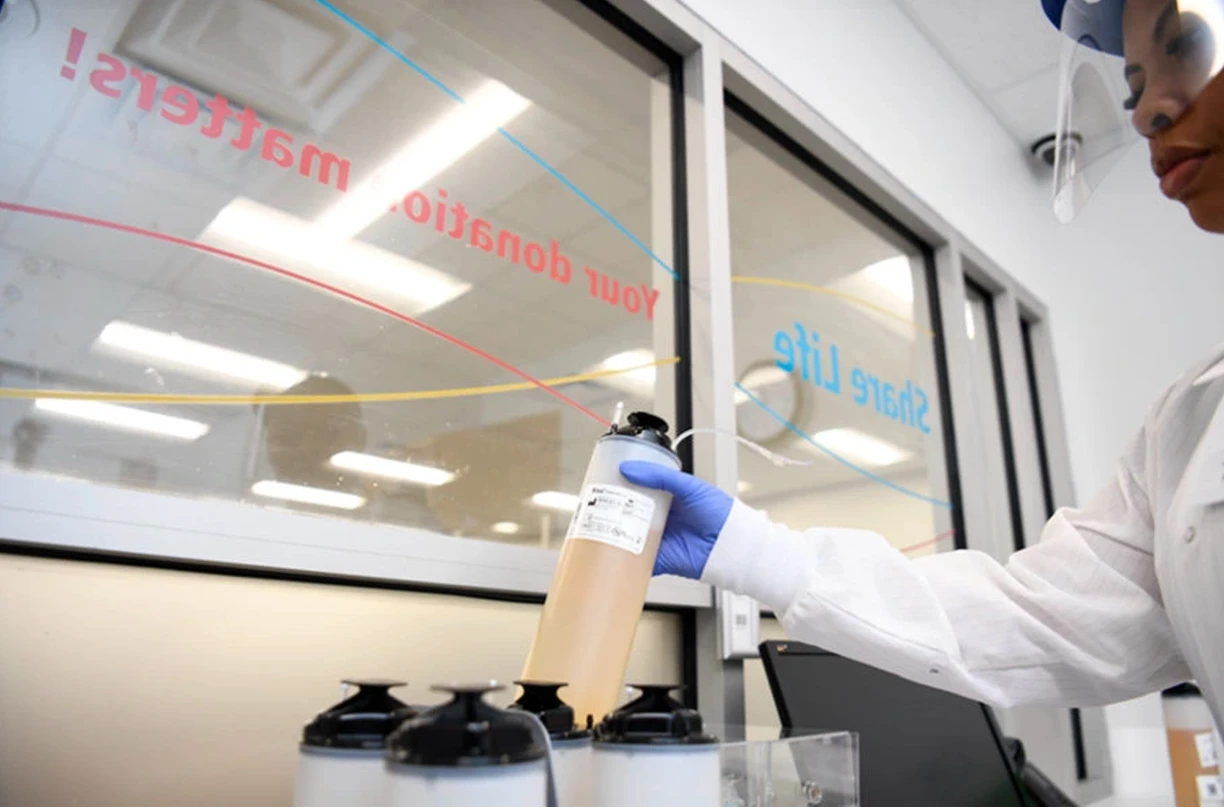
When you donate plasma, the plasma is separated from your red blood cells and other blood components through a process called plasmapheresis. The plasma is then processed and used to create a variety of life-saving medicines and vaccines.
Did you know that 1 plasma donation equals about 180 milliliters of plasma? A patient with primary immune deficiency relies on 130 donations for 1 year of medicine. A patient with hemophilia needs 1200 plasma donations for 1 year of medicine. Learn more about how plasma donation benefits you and others.
Get Started Today
Plasma donation is a safe and easy way for eligible donors to make a difference in the lives of others. Your first plasma donation can take between 2 and 2 ½ hours. Every donation after will be closer to 90 minutes. CSL Plasma makes donating plasma a comfortable and convenient experience.
To be eligible to donate plasma, you must be at least 18 years old, weigh at least 110 pounds, and be in good general health. Learn more about the qualifications for donating plasma.
By donating plasma, you are helping to save lives and improve the health of people around the world. It's a simple act that can make a big difference. Sign up to donate plasma with CSL Plasma today and do the amazing!