Did You Know? Plasma Was Critical During WWII
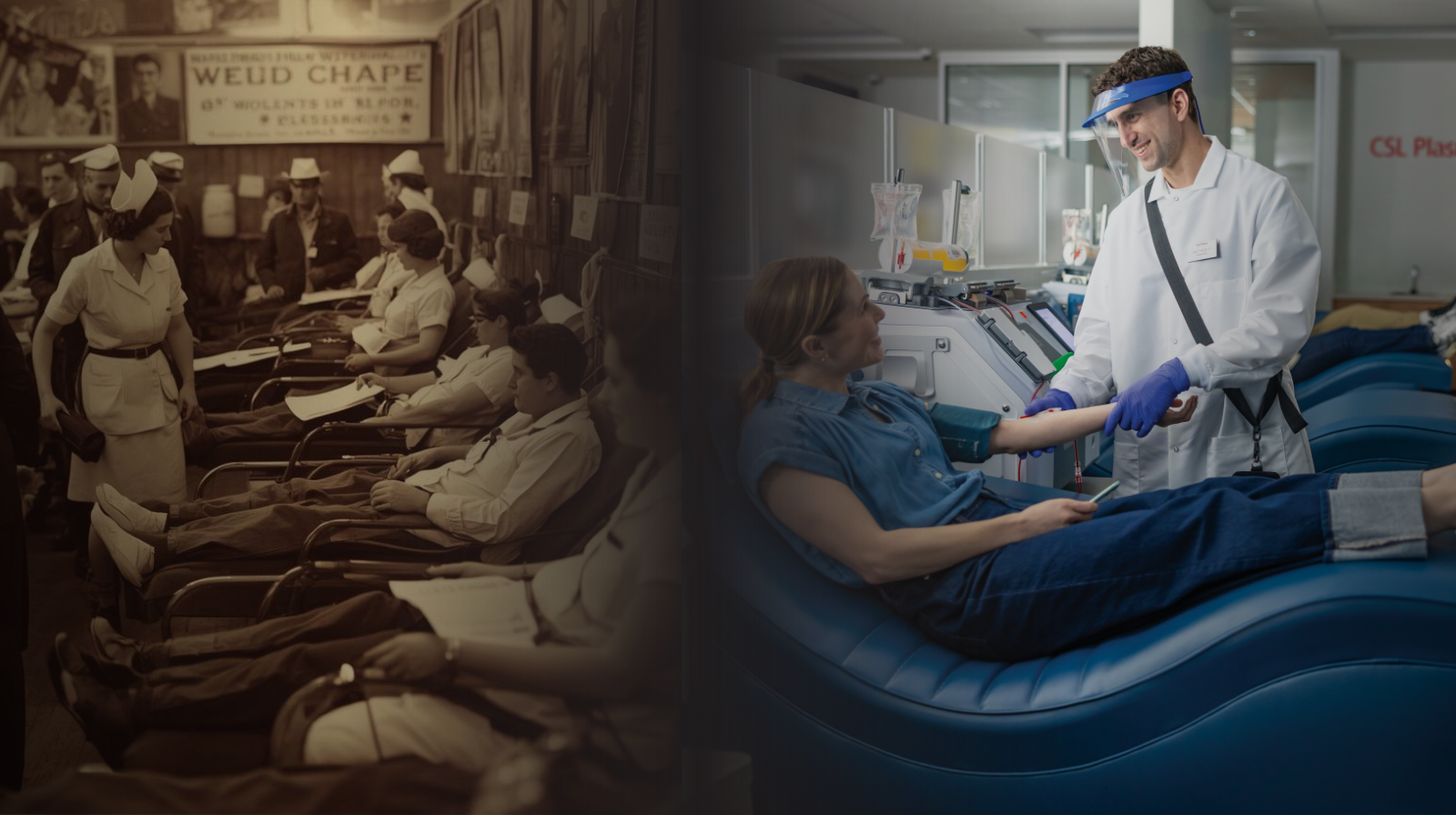
During World War II, plasma played a crucial role in saving countless lives on the battlefield. Plasma is the liquid part of blood that carries cells and nutrients throughout the body. It was especially important during the war because it could be stored and transported easily, making it a lifesaver for wounded soldiers.
The Importance of Plasma
When soldiers were injured, they often lost a lot of blood. This could lead to shock, a dangerous condition where the body doesn't get enough blood flow. Plasma was used to treat shock because it helped maintain blood pressure and volume, even when whole blood wasn't available. This made it possible to stabilize soldiers until they could receive further medical treatment.
How Plasma Was Used
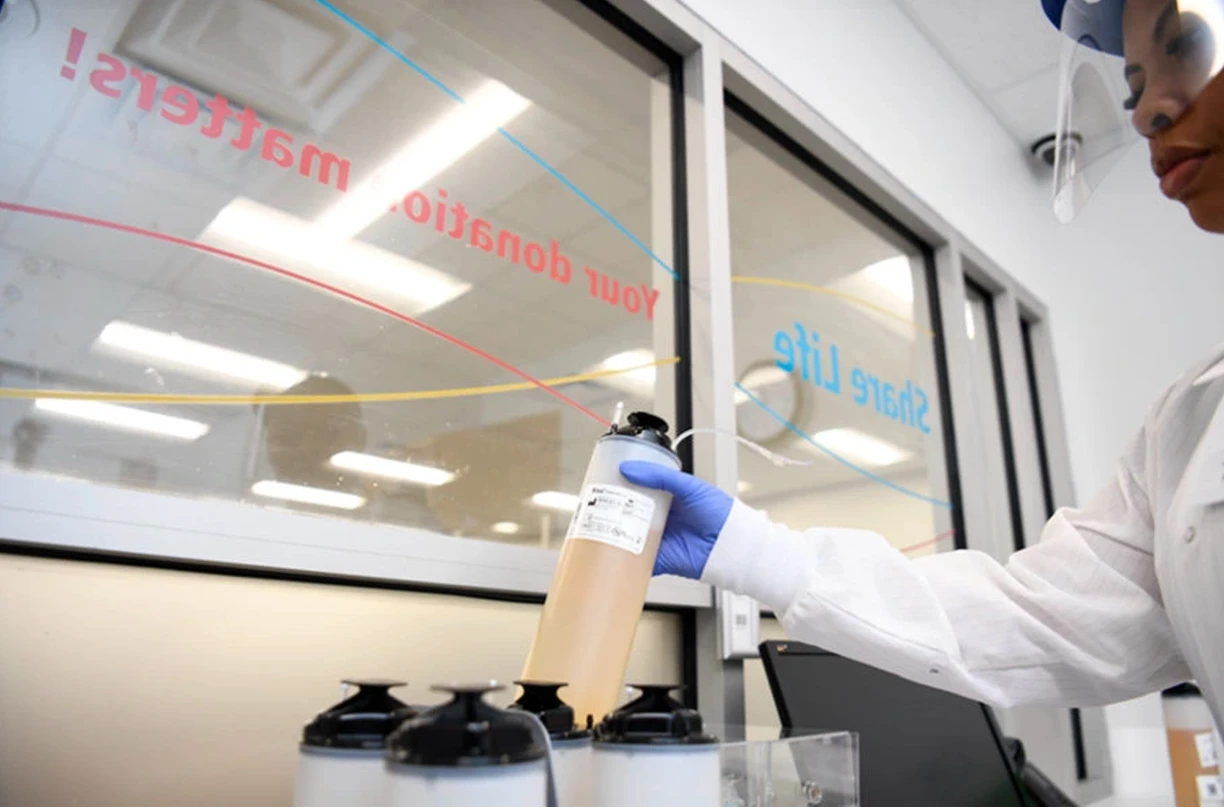
Plasma was collected from donors back home and then processed to remove the cells, leaving just the liquid. This liquid was then dried into powder, which could be easily transported to the front lines. When needed, the powder was mixed with water to create a plasma solution that could be given to injured soldiers.
A Lifesaving Innovation
The use of plasma during WWII was a groundbreaking innovation. It allowed medics to treat soldiers quickly and effectively, even in the most challenging conditions. Plasma saved many lives and helped countless soldiers recover from their injuries.
Modern-Day Impact
The success of plasma during WWII laid the foundation for its use in modern medicine. Today, plasma is used to treat a variety of conditions, including burns, trauma, and immune disorders. The lessons learned during the war have continued to benefit patients around the world.
References
-
Defense Media Network: An article from March 19, 2021, highlights the critical role plasma played during WWII. It describes how plasma was used to save lives on the battlefield and the efforts made to collect and process it [1].
-
Unknown World War II: This source discusses the innovations in plasma and blood use during the war, emphasizing how these advancements provided a strategic advantage to the Allies [2].
By understanding the history of plasma use during WWII, we can appreciate its importance in both past and present medical treatments. Plasma truly was, and continues to be, a lifesaver.